

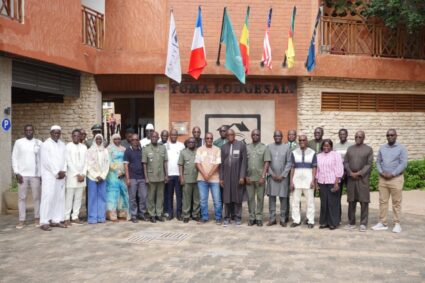

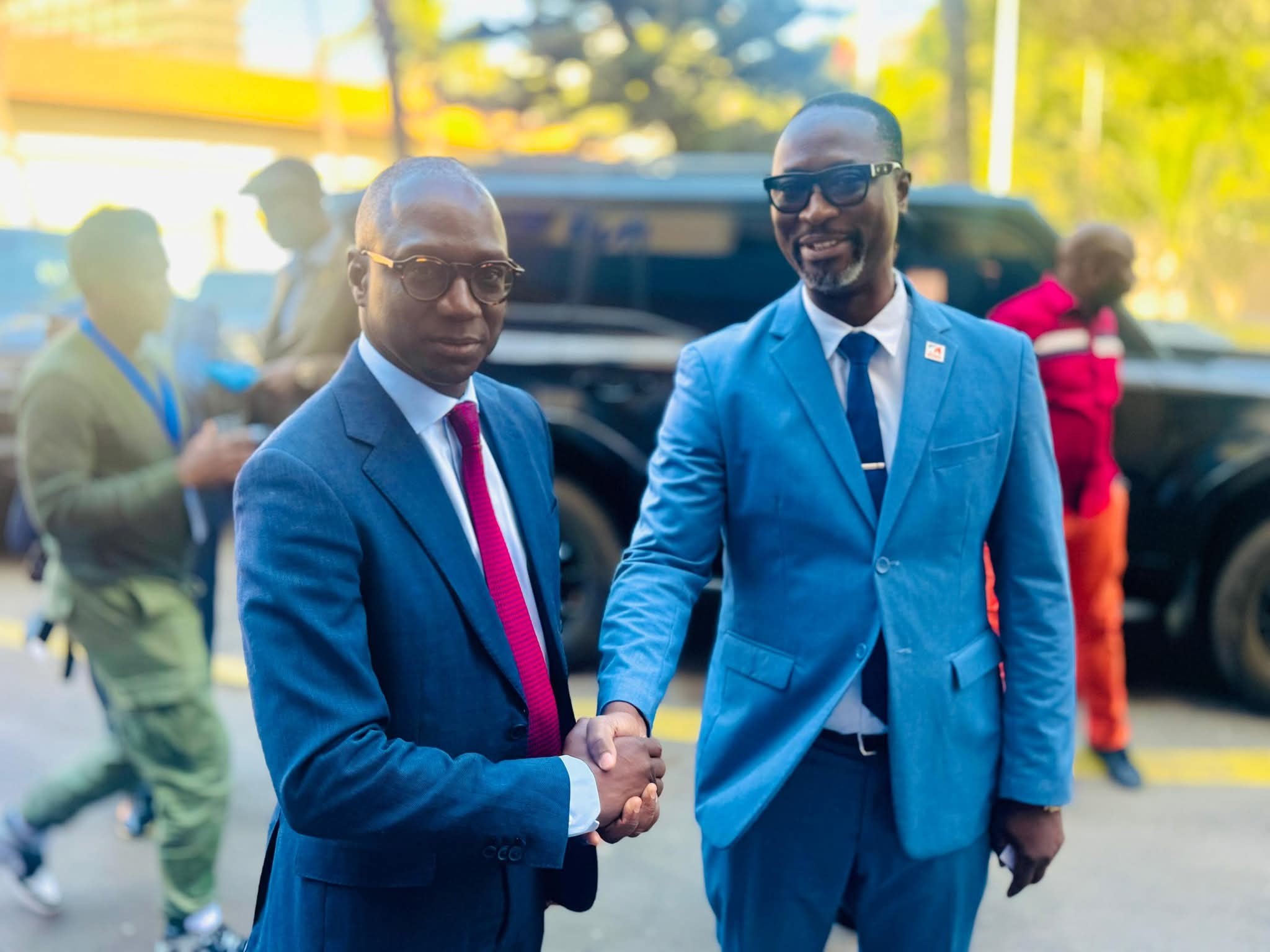
An important milestone has been reached in the fight against livestock theft in West Africa and the Sahel. During the subregional workshop held in Dakar from 9 to 12 February 2026 and organized by the Food and Agriculture Organization of the United Nations (FAO), stakeholders agreed to integrate equines—particularly donkeys—into regional policies for the prevention and control of this evolving criminal phenomenon.
In response to the transformation of livestock theft into organized crime, with serious consequences for food security, household resilience, and rural economies, FAO Senegal launched a series of regional studies as early as 2025 to better understand the scale and mechanisms of this cross-border threat.
Within this framework, Brooke West Africa (BWA) took part in the discussions, advocating for greater recognition of the role of equines in rural livelihood systems. The organization highlighted the strong link between the donkey skin trade and the increase in thefts, noting that this parallel economy has become a significant driver of organized crime in several countries of the subregion.
The workshop aimed not only to strengthen regional and cross-border cooperation in addressing livestock theft, but also to lay the foundations for a regional prevention and control program and to establish a subregional coalition dedicated to combating this scourge.
Participants adopted a regional program for the prevention and control of livestock theft and supported the creation of a multi-stakeholder coalition that now includes the specific issue of donkeys.
During the workshop, concrete progress was made toward recognizing the role of equines. For Brooke West Africa, the key outcomes included:
- Recognition of the donkey skin trade as a critical issue directly linked to livestock theft.
- A request for the organization to share data, evidence, and analyses on donkey theft and associated trade networks in West Africa.
- The official inclusion of the theme “donkey skins / donkey theft” in the final version of the regional report.
- The participation of BWA and its partners in the national and regional coalitions currently being established.
In many Sahelian and West African rural areas, donkeys are an essential component of livelihoods: transporting water and harvests, enabling access to markets, and supporting family farming activities. Their disappearance directly weakens production systems and increases household vulnerability.
By officially integrating equines into regional strategies to combat livestock theft, subregional stakeholders have taken a further step toward a more comprehensive response—one better aligned with the economic, social, and security realities of the region.
Babacar Sène
Agropasteur Journal (Brooke West Africa)