
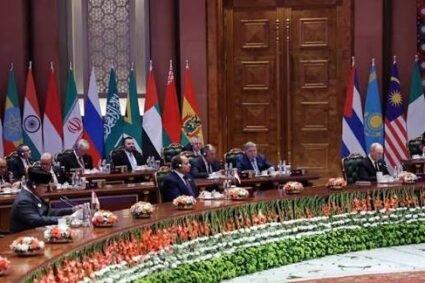
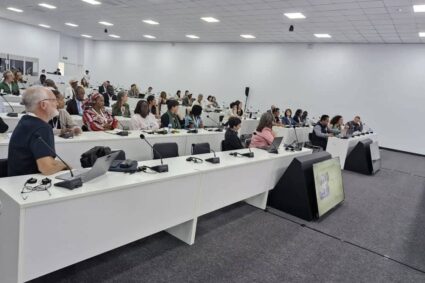



In Ulaanbaatar, African civil society spoke with one voice. In the aftermath of COP17 of the United Nations Convention to Combat Desertification (UNCCD), Ellen Otaru-Okoedion, Chair of the Africa Group of Civil Society Organizations (UNCCD CSO Panel), paid tribute to the organizations and stakeholders who mobilized to bring the continent’s concerns to the negotiations and conference spaces.
From West Africa to Central and East Africa, and from North Africa to the Horn of Africa, civil society organizations made collective mobilization a powerful means of ensuring that Africa’s voice was heard at COP17, held in Ulaanbaatar, Mongolia.
In a message addressed to members of the network, Ellen Otaru-Okoedion expressed her “sincere gratitude” to all the organizations and stakeholders who contributed to this collective momentum. She particularly praised their support, encouragement and collaboration, stressing that joint efforts have now become an essential pathway for advancing projects and actions on the ground.
For the Chair of the Africa Group of Civil Society Organizations, the lessons of COP17 should already serve as a starting point for the next phase. The challenges encountered, the opportunities that emerged and the results achieved call, in her view, for stronger alliances and partnerships.
“Start preparing for COP18 now. Seek alliances, partners and collaborators,” she recommends, urging African organizations not to wait until the next conference to build their strategies and coalitions.
This call for early preparation reflects a clear conviction: Africa’s ability to defend its priorities also depends on its capacity to speak with a collective voice and coordinate its strengths beyond national borders.
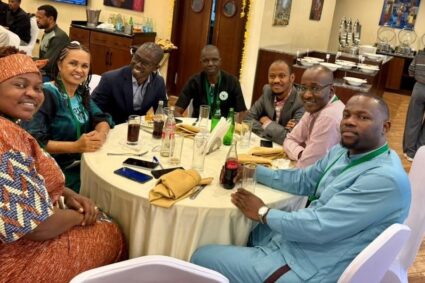
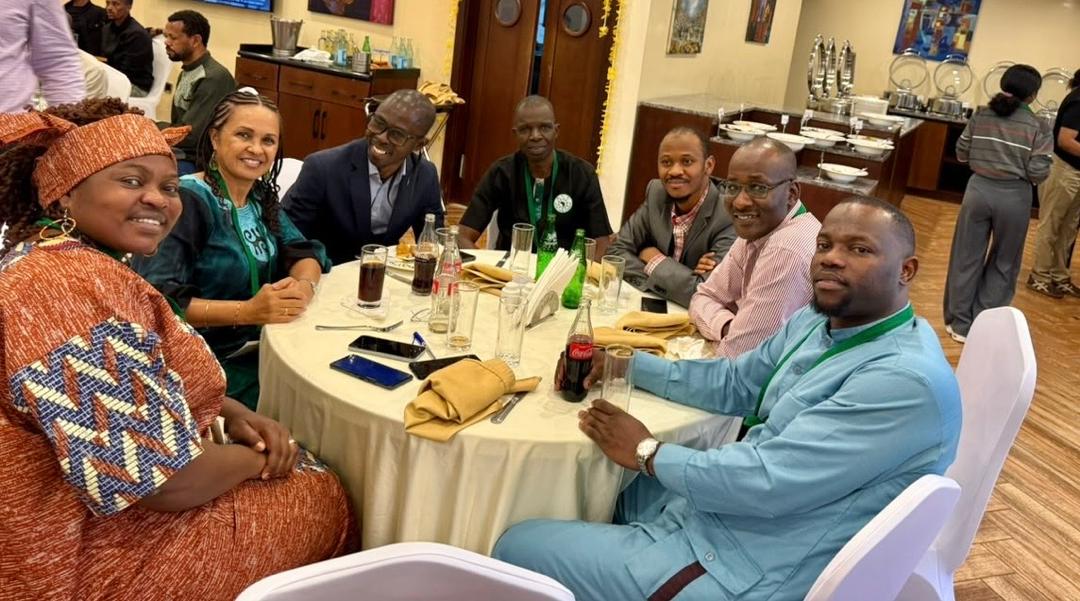
In her message, Ellen Otaru-Okoedion also expressed her emotion at the diversity of organizations and people she met during this mobilization. “I am meeting all the members of the group for the first time, except two of them. I am deeply honored,” she said, before extending her thanks to her “sisters and brothers.”
Beyond differences in countries, organizations and working contexts, this gathering highlighted the strength of an African network mobilized around shared challenges: land restoration, the fight against desertification, climate change adaptation, food security, the protection of rural communities’ livelihoods, and strengthening the resilience of territories.
Ellen Otaru-Okoedion also described her participation in the RCM African coordinators’ mechanism as both a privilege and a responsibility ahead of future international milestones.
Above all, she called for the continuation of common messages across the three major Rio Conventions, in order to strengthen the links between the fight against desertification and land degradation, climate change, and biodiversity conservation.
COP17 therefore appears not only as a completed milestone, but also as the starting point for a new phase of African mobilization. For civil society organizations, the challenge now is to transform the collective energy demonstrated in Ulaanbaatar into lasting alliances, coordinated actions and concrete proposals for the next COPs.
Through her message of appreciation, Ellen Otaru-Okoedion is sending a clear signal: Africa’s voice is stronger when it is carried collectively, both in international forums and on the ground—and preparations for the next COP begin now.
Babaclimat – Journal Agropasteur