




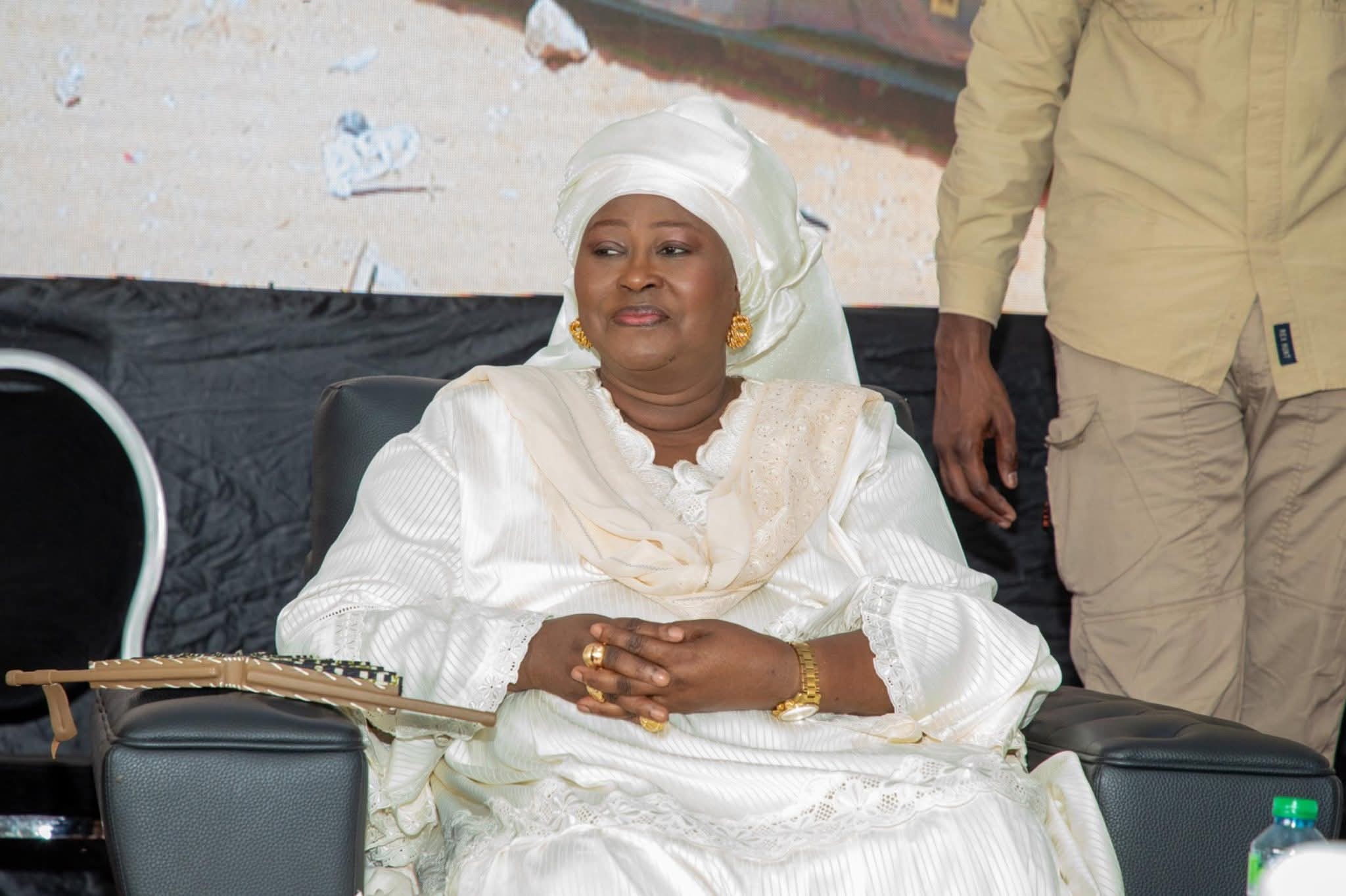
On Thursday, August 7, the Minister of Family and Solidarity, Maïmouna Dièye, met with UNICEF’s Resident Representative in Senegal, Jacques Boyer, to fine-tune preparations for this continental gathering.
“We want adolescent girls to be at the heart of decisions that concern them,” said Mr. Boyer, praising Senegal’s commitment to placing young women at the center of discussions.
The Adolescence Summit will serve as a space for teenage girls to express themselves and exert influence; it will also provide a platform for exchange, sharing experiences, and collecting best practices. Discussions will particularly focus on the rights of girls living with disabilities, those out of school, or in vulnerable situations.
For Maïssa Abdellaoui, Education and Girls’ Empowerment Officer at UNICEF Senegal, the ambition is clear: “To create a space where they speak up and influence public policies.”
UNICEF hopes that Ms. Dièye will officially open the summit and that Ms. Fatou Ba, Director of Child Protection, will join the technical organizing committee.
Senegal’s front-line commitment was confirmed by the Minister, who announced “the mobilization of the regional branches of her department to conduct national consultations.” She also sought UNICEF’s support to organize thematic workshops on crucial issues such as child marriage and female genital mutilation.
“We will stand alongside teenage girls to ensure that this summit marks a turning point in the defense of their rights,” she pledged.
This national context is marked by both progress and challenges in Senegal, where gender equality and human rights remain major issues.
The country has ratified several international conventions, including CEDAW, and has adopted laws such as gender parity in politics. Yet inequalities persist, particularly in education, access to healthcare, and participation in public life.
According to UN Women, 70% of women have experienced at least once in their lives physical or sexual violence from an intimate partner. Sexist stereotypes remain widespread, limiting the full and equal participation of women and girls in society.
To address these challenges, UNICEF and its partners are relying on initiatives such as the project “Promoting Equality through Human Rights Education,” aimed at making the educational environment safer, encouraging the active participation of girls, and fostering more egalitarian social norms.
This mobilization takes place in an international context where adolescent well-being is increasingly recognized as a development priority. A Global Summit on Adolescent Well-Being is also in preparation to help build a world where every young person can reach their full potential.
Two months before the event, Dakar is positioning itself as a hub for reflection and action on girls’ rights in Africa. On October 10 and 11, the capital will resonate with the voices, ideas, and ambitions of hundreds of teenage girls ready to write a new chapter in the history of equality on the continent.
Babacar sene Journal Agropasteur