

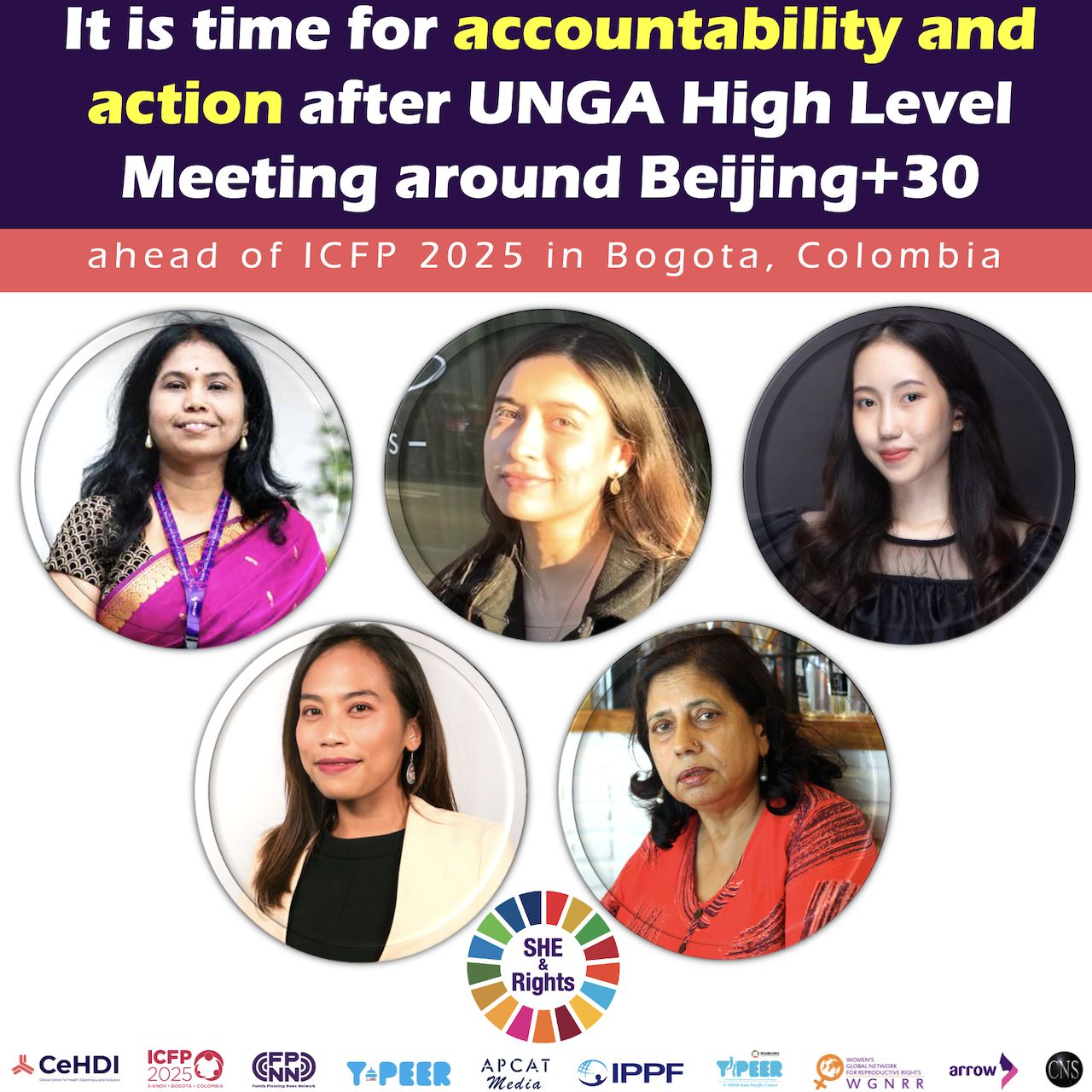
On the sidelines of the International Conference on Family Planning (ICFP 2025) in Bogotá, the Asia-Pacific Multi-Stakeholder Dialogue on Comprehensive Sexuality Education (CSE) brought together experts, governments, and young people who made a powerful call: invest in teachers and strengthen their role as facilitators of inclusive and transformative comprehensive sexuality education.Teachers play a crucial role in promoting health, well-being, and gender equality among adolescents. Yet, the rise of anti-rights and anti-gender movements threatens hard-won progress in CSE and undermines young people’s right to health.> “Although comprehensive sexuality education is often seen as a taboo subject, it is a fundamental aspect of the well-being of children, adolescents, and young people,”said Sai Jyothirmai Racherla, Deputy Executive Director of the Asian-Pacific Resource and Research Centre for Women (ARROW).According to her, every child—regardless of background—deserves access to the knowledge and skills needed to make safe, responsible, and fulfilling life choices.Teachers emerged as key agents of change during the Asia-Pacific Multi-Stakeholder Dialogue on CSE, themed “Transforming Teachers and Teaching for Adolescent Health, Well-being, and Gender Equality.” The event brought together over 160 participants, including representatives from 20 governments across South and Southeast Asia, youth leaders, academics, and civil society actors.Organized by ARROW, in partnership with UNESCO, UNICEF, UNFPA, Education International, and the Y-PEER Asia-Pacific Network, the dialogue underscored the essential role of teachers as facilitators of comprehensive sexuality education.“Teachers are the most influential school-based factors shaping student learning. Providing comprehensive sexuality education not only builds life skills but also enhances the overall quality of learning,”emphasized Sai Racherla during the SHE & Rights session (Sexual Health with Equity and Rights), held ahead of ICFP 2025.Training and supporting teachers remain top priorities. Participants called for greater investment in both pre-service and in-service teacher training, with CSE content systematically integrated into curricula.“It’s not just about what’s in the classroom—it’s about continuous support to strengthen teachers’ capacities,” added Sai.Professor Pam Rajput, a pioneering figure of the Indian feminist movement, welcomed the focus on teachers’ well-being:This is the first time my community is being recognized—our needs and interests are finally being acknowledged.”Speakers also stressed the importance of adopting holistic and gender-transformative approaches, linking school curricula, learning environments, and the psychosocial well-being of both teachers and students.The voices of young people resonated strongly throughout the dialogue.“We need comprehensive, inclusive sexuality education that reflects our realities. Too many young people still face stigma, lack of access, and misinformation,”said Zuzan, representative of Y-PEER Laos and the Y-PEER Asia-Pacific Center.For him, teachers are not merely transmitters of knowledge but role models who embody and promote the values of equality, respect, and empathy. Young participants called to be recognized as co-creators of educational policies, not just beneficiaries. “Accountability shouldn’t just mean monitoring promises—it must involve sharing power, resources, and trust with young people,” insisted Zuzan, urging a bold shift toward transformative and inclusive education.At the close of the meeting, participants reaffirmed that investing in teachers, strengthening their capacities, and meaningfully engaging youth are key levers for achieving Sustainable Development Goals 3 and 5—on health, well-being, and gender equality.From Bogotá, the message was clear:It is time to act and to be accountable—to build an education system that shapes not only minds, but also responsible, free, and equal citizens.Babacar sene journal Agropasteur Dakar Sénégal