


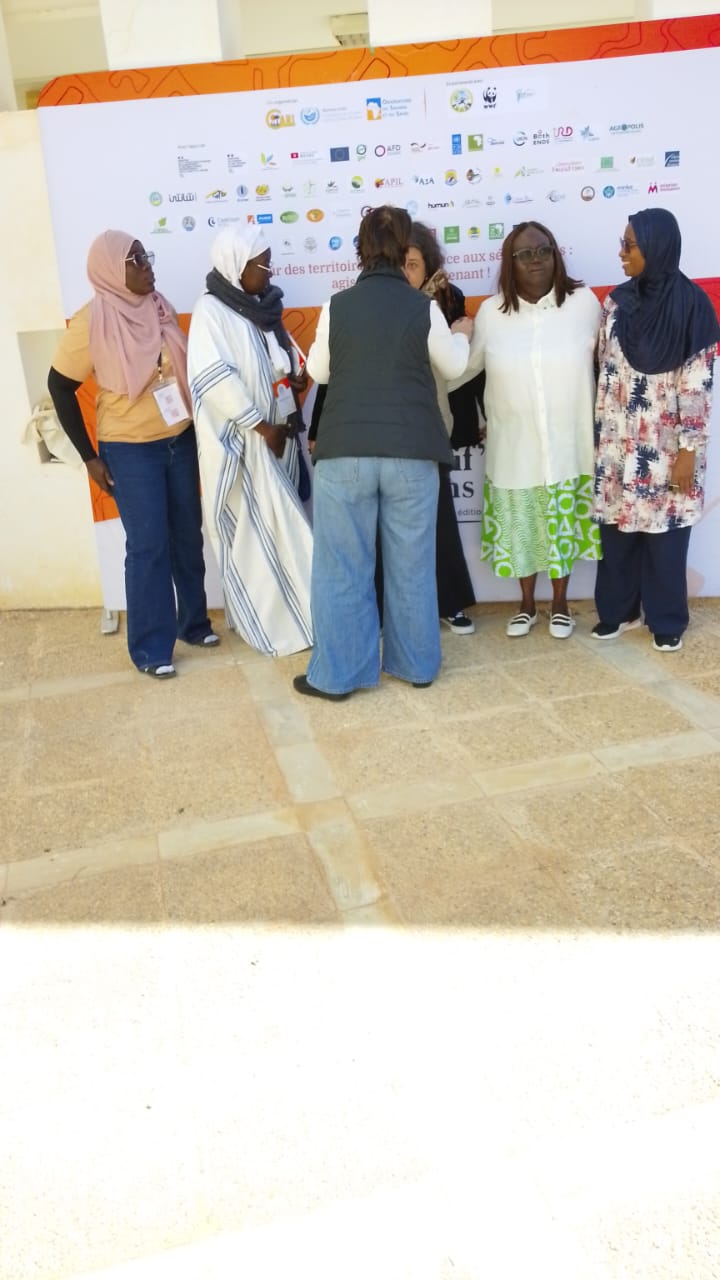
In Djerba, Tunisia, the sixth edition of Desertif’Action 2026 marks a major turning point in recognizing the role of African women in the fight against desertification, drought, and biodiversity loss. Through a strong and unified advocacy, these women aim to bring to light a long-overlooked reality: they are on the front lines of ecological crises, but also key providers of sustainable solutions.
Participants at Desertif’Action 2026, gathered within the dynamic of international civil society, are calling for a paradigm shift. Reintegrating women at the center of decision-making is not only a matter of social justice but a crucial condition for the effectiveness of environmental policies.
Women from across the continent, particularly from rural and arid areas, are set to launch an unprecedented movement: “The March of African Women for Life.” This initiative is part of the lead-up to COP17 of the United Nations Convention to Combat Desertification (UNCCD), scheduled for August 2026 in Mongolia, and aims to bring their voices to the heart of international negotiations.
From Mongolia to global Conferences of the Parties dedicated to climate, biodiversity, and desertification, these women seek to unify their experiences, knowledge, and expertise. Coming from scientific, community-based, and civil society backgrounds, they share a strong conviction: their role is indispensable in building effective and sustainable responses to environmental crises.
This mobilization highlights a fundamental truth: at the heart of ecological collapse, those who preserve life also hold the keys to its regeneration. Yet, as land degradation intensifies and resources become scarcer, their daily burden continues to grow, revealing a deeper crisis in humanity’s relationship with nature.
They advocate for formal recognition of their status as key actors of resilience, effective integration into public policies and environmental governance mechanisms, active participation in decision-making and negotiation processes within the COPs of the three Rio Conventions (climate, biodiversity, and desertification), and improved access to funding to support their local initiatives, which are often innovative and transformative for their communities.
In Djerba, one observation stands out: women believe they have long been kept at the margins of decision-making processes. Today, they are demanding a central role in strategies to combat desertification and recurring droughts—challenges they are among the first to face, but also among the first to address through resilience.
On the eve of COP17, this collective advocacy calls for a decisive step forward: fully recognizing women’s role in fostering synergies among the three Rio Conventions, integrating their expertise into coordination and financing mechanisms, and building environmental governance based on inclusion, equity, and shared responsibility.
Beyond a simple mobilization, the objective is to turn this march into lasting impact. In the face of drought, desertification, climate change, and biodiversity loss, African women are not merely victims—they are powerful agents of change.
Babacar Sene
babaClimat / Journal Agropasteur
(Source: African Women’s Group in Tunis)