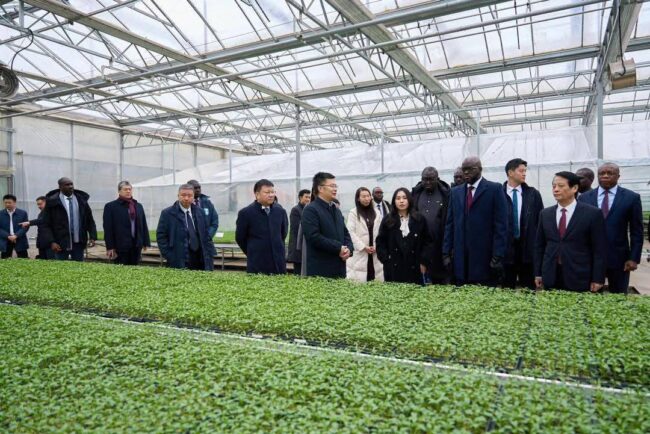
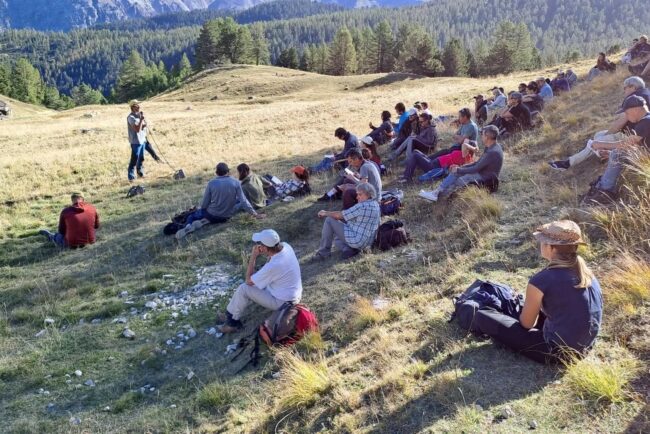
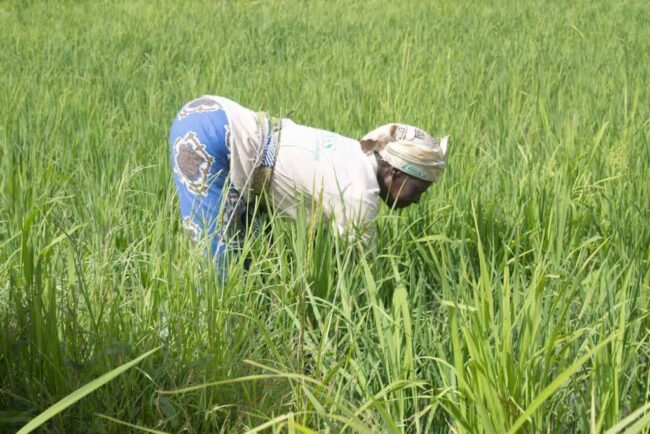
En marge de la 80ᵉ Assemblée générale des Nations Unies à New York, ce septembre 2025 , les présidences de la COP16 (Royaume d’Arabie saoudite) et de la COP17 (Mongolie) à la Convention des Nations Unies sur la lutte contre la désertification (CNULCD) ont organisé un événement conjoint de haut niveau afin de mobiliser davantage d’investissements, de partenariats et d’engagement du secteur privé pour la restauration des terres et la résilience face à la sécheresse.La rencontre a réuni dirigeants politiques, ministres, organisations internationales et acteurs économiques, qui ont alerté sur l’urgence d’agir face à une crise silencieuse mais dévastatrice.Près de 40 % des terres de la planète sont aujourd’hui dégradées, compromettant la sécurité alimentaire, hydrique et les moyens de subsistance de près de la moitié de l’humanité. Les sécheresses, dont la fréquence et l’intensité ont augmenté d’un tiers depuis 2000, provoquent chaque année plus de 307 milliards de dollars de pertes économiques. Si la tendance se poursuit, trois personnes sur quatre dans le monde pourraient être touchées d’ici 2050, avec une vulnérabilité accrue pour les pays en développement.Lors de la COP16, tenue à Riyad en 2024, les pays avaient lancé le Partenariat mondial de Riyad pour la résilience à la sécheresse et mobilisé plus de 12 milliards de dollars de promesses de dons. Toutefois, les contributions du secteur privé ne représentent encore que 6 % du financement mondial. Les intervenants ont insisté sur la nécessité de combler ce déficit pour transformer les engagements politiques en résultats tangibles sur le terrain.La COP17, prévue en 2026 à Oulan-Bator, coïncidera avec l’Année internationale des pâturages et des éleveurs pastoraux. Ces écosystèmes couvrent plus de la moitié de la surface terrestre, assurent les moyens de subsistance de 500 millions de personnes et représentent un pilier essentiel de la stabilité climatique et de la sécurité alimentaire.« Aujourd’hui, nous poursuivons sur la lancée de Riyad en travaillant main dans la main avec la Mongolie, la CNULCD et nos partenaires pour protéger les populations, les économies et les écosystèmes », a déclaré Osama Faqeeha, vice-ministre saoudien de l’Environnement, de l’Eau et de l’Agriculture et président de la COP16.De son côté, la ministre mongole des Affaires étrangères, Battsetseg Batmunkh, a affirmé : « Ce rassemblement est un pont qui relie notre ambition commune d’accélérer l’action mondiale contre la désertification, la dégradation et la sécheresse. La Mongolie s’engage à promouvoir l’agriculture régénératrice, les systèmes de pâturage durables et les solutions fondées sur la nature. »Les participants ont insisté sur la nécessité de réinventer les instruments de financement. Parmi les solutions évoquées figurent la Facilité d’investissement pour la résilience à la sécheresse (DRIF), développée avec le Luxembourg, des mécanismes de financements mixtes, des modèles d’assurance et des projets bancables pour attirer des capitaux privés.« La restauration des terres et la résilience à la sécheresse sont des conditions essentielles de la paix, de la prospérité et du développement durable », a rappelé Andrea Meza, secrétaire exécutive adjointe de la CNULCD.Dans le même esprit, André Hoffmann, coprésident par intérim du Forum économique mondial, a souligné : « La nature est le fondement de toute prospérité. Restaurer les terres et renforcer la résilience n’est pas seulement un impératif moral, c’est aussi une condition préalable à la stabilité économique et sociale. »En conclusion, les présidences des COP16 et COP17 ont appelé à une mobilisation collective accrue, affirmant que la restauration des terres et la résilience à la sécheresse constituent désormais une priorité mondiale pour garantir l’accès à l’alimentation et à l’eau, soutenir les économies locales et préserver le climat pour les générations futures.Babacar sene journal Agropasteur/ babaclimat