




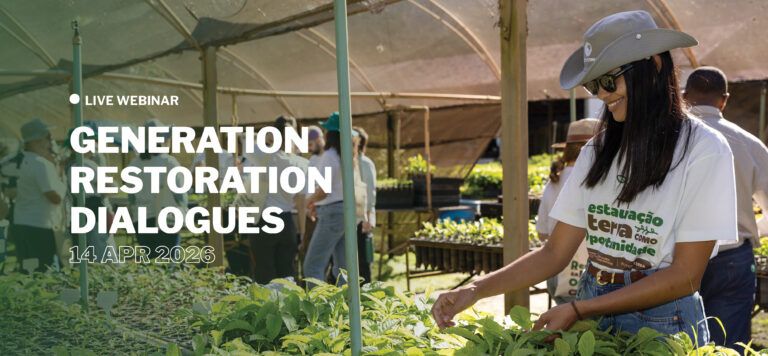
As land degradation accelerates and droughts become more frequent and severe, mobilizing financial resources has emerged as one of the world’s greatest challenges.According to estimates by the United Nations Convention to Combat Desertification (UNCCD), nearly US$1 billion per day is required to restore degraded lands and strengthen the resilience of vulnerable landscapes. However, current investment levels remain far below what is needed.The world is facing a significant financing gap in the fight against land degradation. While annual funding needs are estimated at around US$365 billion, current investments amount to only US$70–80 billion per year, leaving an annual financing gap of more than US$250 billion, according to the UNCCD’s Financial Needs Assessment Report.This shortfall is largely due to a financing approach that remains predominantly reactive, focusing on crisis response rather than prevention. Yet experts emphasize that slow-onset risks such as desertification and drought could be significantly reduced through early investments in land restoration.Beyond supporting agricultural production, healthy ecosystems provide essential services, including improved soil fertility, natural water regulation, carbon storage, biodiversity conservation, and greater climate resilience. Despite these economic, social, and environmental benefits, their value is still insufficiently reflected in international financial systems.Against this backdrop, Generation Restoration Dialogues, through the G20 Global Land Initiative led by the UNCCD, is organizing a webinar dedicated to financing land restoration.The event will bring together international experts to explore practical solutions for closing the financing gap and mobilizing greater public and private investment.Discussions will focus on engaging non-traditional partners, expanding private sector investment, promoting blended finance mechanisms, and addressing the challenges faced by project developers in accessing financial resources.Among the keynote speakers are Louise Baker, Managing Director of the UNCCD Global Mechanism and a recognized expert in resource mobilization; Pénélope Choussat, Landscape Finance Specialist at Commonland, who works on mechanisms linking restoration projects with private capital; and Theresa Rose Sebastian, Co-founder of the Re-Earth Initiative and a climate justice advocate.The session aims to engage more than 40,000 young practitioners, experts, and development stakeholders in a results-oriented dialogue focused on partnerships and action. It will also serve as a preparatory event for the UNCCD COP17 Action Day, scheduled for next August, by highlighting the financial priorities required to accelerate land restoration efforts.The organizers seek to raise awareness of the scale of the global financing gap, promote a shift from reactive to preventive investment, explore new funding opportunities—including those offered by development banks and private investors—and strengthen advocacy for sustainable land restoration solutions within local communities.At a time when climate change is intensifying land degradation across the globe, the UNCCD stresses that ecosystem restoration is no longer solely an environmental issue; it is a strategic investment in food security, economic stability, and the resilience of communities.Babacar SèneAgropasteur Journal