

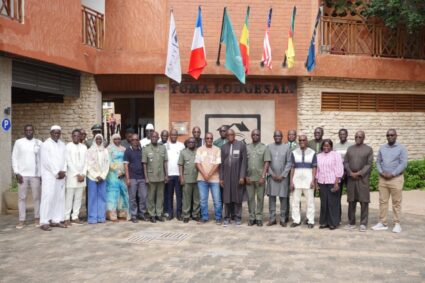
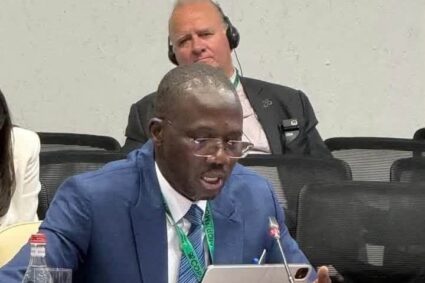


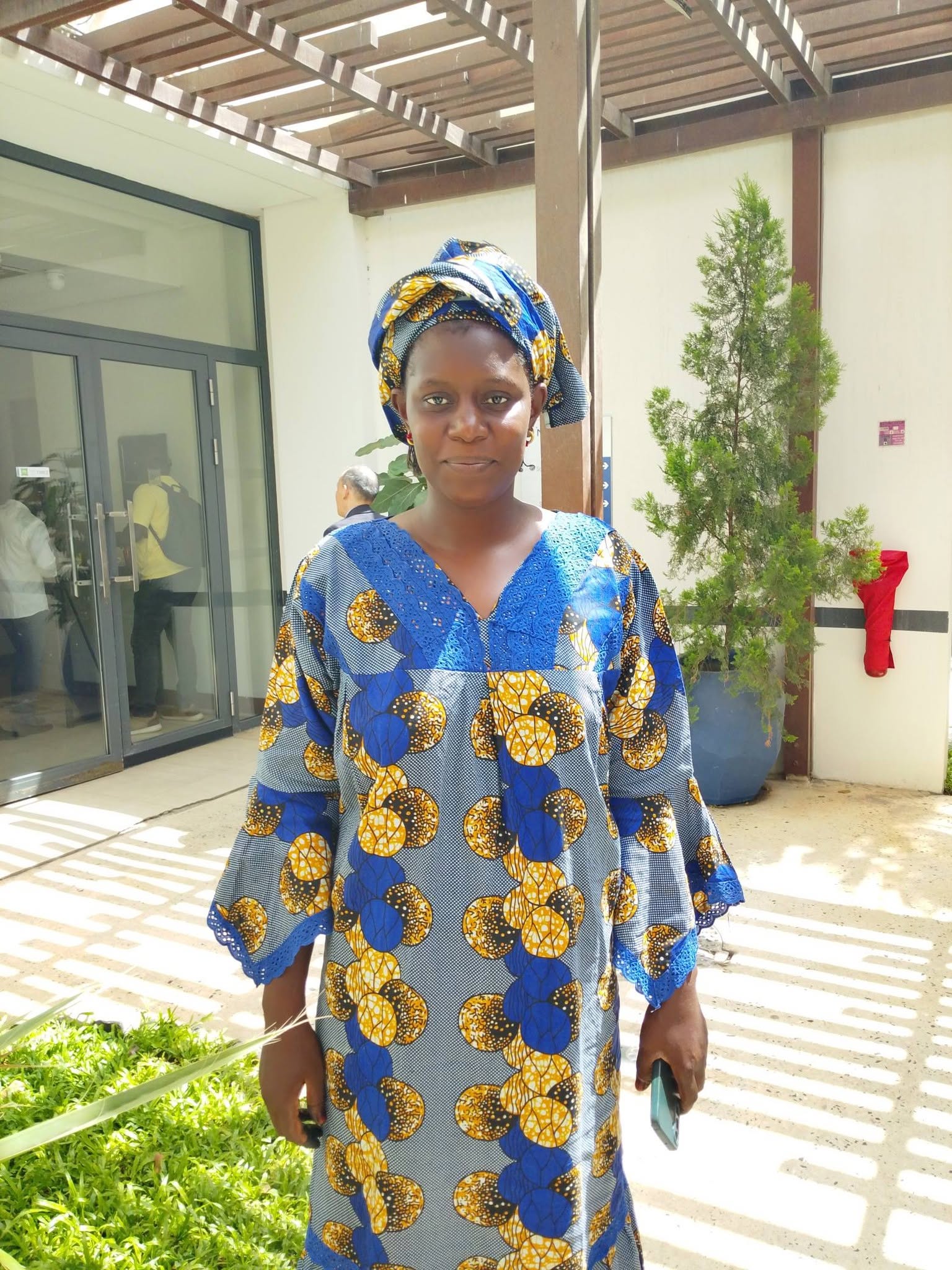
For the women of the Pélita Rewbé Women’s Economic Interest Group (GIE) in Bélitiowi, a village in Senegal’s Matam Region, the launch of the Climate-Resilient Agriculture and Food Systems Transformation (CRAFT) project marks the beginning of a new chapter.After years of struggling with the degradation of their market garden, the women are looking forward to restoring their livelihoods, improving household food security, and rebuilding the local economy through sustainable agriculture.The United Nations World Food Programme (WFP), with financial support from the Government of Japan and in partnership with Senegal’s Ministry of Agriculture, Food Sovereignty and Livestock (MASAE), officially launched the CRAFT project on 1 July in Matam.The initiative aims to strengthen the resilience of agricultural and food systems to climate change while improving the livelihoods of rural communities. Matam has been selected as the pilot region, where five intervention sites will be developed to benefit approximately 1,200 people.Project activities include the rehabilitation of degraded agricultural land, the development of market gardening and horticulture, the promotion of climate-smart farming practices, and capacity-building for local producers.For the women of Bélitiowi, these interventions are expected to restore a market garden that once served as the backbone of the community’s economy. Managed by the Pélita Rewbé Women’s Group under the leadership of Fatoumata Diallo, the site previously generated income for households while supplying nutritious vegetables for local families. Years of land degradation, however, severely reduced production and weakened the women’s economic activities.Today, the rehabilitation of the site represents far more than an agricultural investment—it symbolizes renewed opportunity and resilience.Speaking during the official launch ceremony in Dakar, Fatoumata Diallo, President of the Pélita Rewbé Women’s Group, welcomed the initiative. »This project represents new hope for the women of Bélitiowi. Rehabilitating our market garden will allow us to resume agricultural production, increase our incomes, improve the nutrition of our children and families, and bring new life to our community, » she said.The women hope the project will enable them to restart vegetable production, expand food processing and marketing activities, create new income-generating opportunities, and provide more diverse and nutritious diets for their families.According to WFP officials, CRAFT is designed not only to restore degraded land but also to help farming communities adopt climate-resilient agricultural practices, encourage innovation, and strengthen their capacity to adapt to the growing impacts of climate change.Beyond Bélitiowi, the project aims to demonstrate that combining technical expertise, strong community participation, supportive public policies, and the partnership of the Government of Japan can drive lasting transformation of Senegal’s agricultural and food systems.For the women of Bélitiowi, the rehabilitation of their market garden is more than the restoration of farmland. It is the foundation for a future in which agriculture once again becomes a source of dignity, economic empowerment, and hope for generations to come.By Babacar SeneAgropasteur Journal