
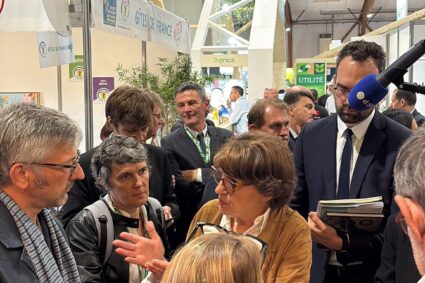


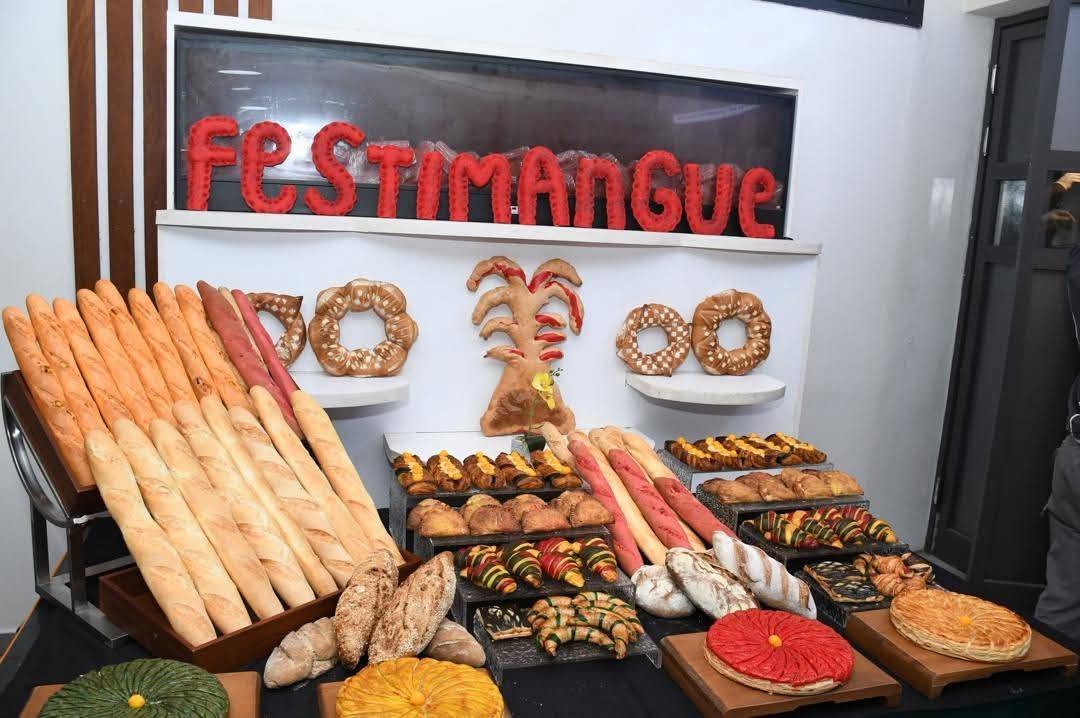
The city of Mbour came alive during the 4th edition of FestiMangue 2026, an event celebrating the mango in all its forms while showcasing the tremendous economic opportunities offered by its processing. More than just a gastronomic festival, the event has become a platform for reflection on the promotion and development of one of Senegal’s most strategic agricultural value chains.Chefs, pastry makers, food processors, artisans, and gastronomy enthusiasts presented more than 200 innovative mango-based recipes, demonstrating the remarkable diversity of products that can be made from this fruit, including juices, jams, nectars, syrups, dried mangoes, ice creams, pastries, sauces, desserts, and many other specialties.The official opening ceremony was presided over by Dr. Cheikh Oumar Ba, Senegal’s Minister of Agriculture, Food Sovereignty and Livestock, in the presence of Mame Coumba Diop, Minister Delegate for Culture and Creative Industries.In his address, the Minister praised the initiative for promoting Senegal’s culinary heritage while creating new economic opportunities for producers, processors, and young entrepreneurs. He also expressed the wish that the next edition be held in Ziguinchor, one of the country’s leading mango-producing areas, in order to make local processing a key driver for reducing post-harvest losses.This proposal is far from symbolic. Every year, substantial quantities of mangoes are lost, particularly in Casamance, where processing, storage, and preservation capacities remain inadequate. These post-harvest losses represent significant economic losses for both producers and the national economy.FestiMangue highlights the fact that the true value of the mango sector lies not only in production but also in the country’s ability to process the fruit locally. By investing in modern processing facilities, improving preservation technologies, and facilitating market access, Senegal could significantly reduce post-harvest losses while increasing producers’ incomes.Beyond gastronomy, the mango industry represents an important source of employment in agro-processing, packaging, logistics, marketing, and export activities.The development of the mango value chain is fully aligned with Senegal’s ambitions for food sovereignty, wealth creation, and the promotion of locally produced goods. Local processing not only reduces food waste but also diversifies economic opportunities and strengthens the competitiveness of Senegalese products on both domestic and international markets.Through its fourth edition, FestiMangue has once again confirmed its role as a catalyst for innovation and a strong advocate of the « Consume Local » movement.The challenge now is to transform this growing enthusiasm into sustainable investments in processing, storage, preservation, and marketing infrastructure so that Senegalese mangoes can become a genuine engine of inclusive economic growth and territorial development.Babacar SèneAgropasteur Journal Voir