

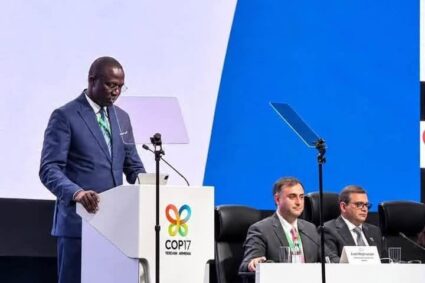



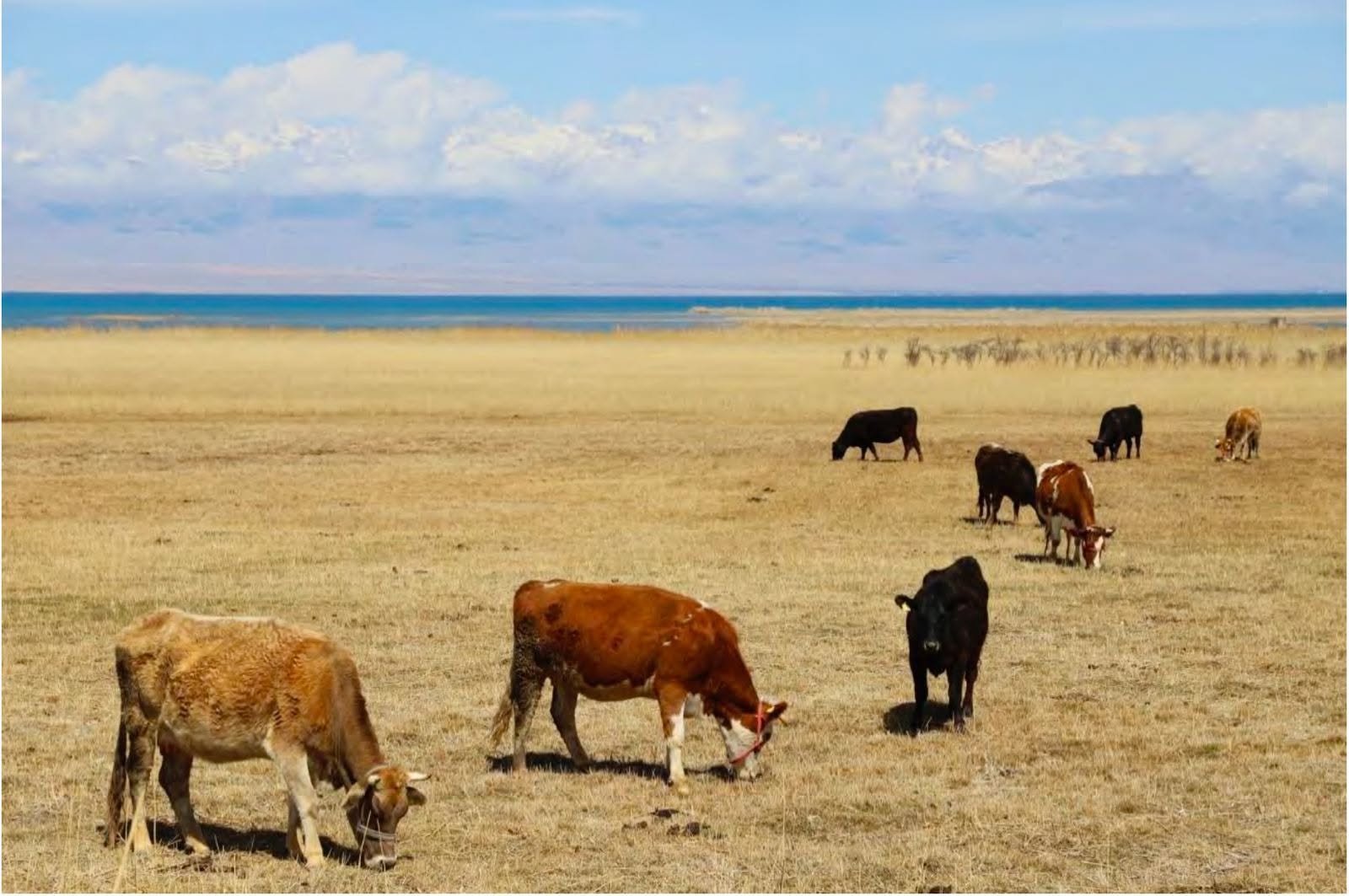
What if rangelands were no longer viewed solely as territories in need of restoration, but as genuine natural, economic and social assets in which strategic investment is essential? This is one of the key messages of the “Rangelands Rising” report, officially launched on Monday, 24 August 2026, in Ulaanbaatar, on the sidelines of COP17 of the United Nations Convention to Combat Desertification (UNCCD).Coordinated by the International Livestock Research Institute (ILRI), in collaboration with the Economics of Land Degradation Initiative (ELD), Germany’s Federal Ministry for Economic Cooperation and Development (BMZ), the Deutsche Gesellschaft für Internationale Zusammenarbeit (GIZ), and several other partners, the report highlights the vastly underestimated value of rangelands worldwide.The figures presented in the report are compelling: rangelands cover more than half of the planet’s land surface and generate up to US$47 trillion in benefits each year, notably through services related to water, food, carbon and biodiversity.According to the report, every dollar invested in rangeland restoration could generate between US$4 and US$6 in benefits, and potentially even more when indirect and wider benefits are taken into account, particularly in terms of water supply, biodiversity and community resilience.Yet this potential profitability remains largely untapped. One of the main obstacles is the insufficient level of investment in rangelands, particularly climate finance and funding for land restoration.The report highlights a significant gap in national climate policies. While forests are widely recognized in climate strategies, the term “rangelands”, referring to grazing lands, appears in the nationally determined contributions (NDCs) of only 24 countries, compared with 181 countries for forests.For the report’s authors, this situation reflects a genuine blind spot in public policies and climate action financing mechanisms.“Rangelands Rising” therefore seeks to help place rangelands at the heart of international agendas on climate, land restoration, biodiversity and sustainable development.The report also calls for a paradigm shift in the way pastoral communities are perceived. In the Sahel in particular, nomadic and transhumant herders should no longer be viewed solely as vulnerable populations or victims of climate and land-related crises.They should be recognized as key actors in the sustainable management of rangelands, and even as co-investors and stewards of these territories.This approach is particularly important in the Sahel, a region facing growing conflicts over land use, agricultural expansion, natural resource degradation and the impacts of climate change.The report therefore calls for securing the land tenure and use rights of pastoral communities, while also protecting transhumance corridors, which are essential for livestock mobility and coexistence among the different uses of these territories.The Sahel, a Laboratory of ResilienceFor West and Central Africa, and particularly for the Sahel, the lessons of “Rangelands Rising” have strategic significance.Rangelands form the foundation of pastoral livestock production and contribute directly to rural economies, food security, biodiversity and the livelihoods of millions of people. Their degradation therefore affects far more than pastoral activities: it weakens the entire economic and social systems that depend on these territories.The participation of Sahelian countries in the launch of the report at COP17 therefore takes on major significance. The region appears both as an area where the consequences of inaction are particularly visible and as a laboratory of resilience, through the many local initiatives developed to restore land, secure pastoral mobility and strengthen communities’ adaptation to climate change.Presented at COP17 by Germany’s Federal Minister for Economic Cooperation and Development, the “Rangelands Rising” report gives international visibility to an issue that remains insufficiently represented on investment agendas.Its message is clear: restoring rangelands should no longer be viewed solely as an environmental expense, but as an investment in the natural, economic and social capital of territories.By recognizing their value, securing the rights of pastoral communities and directing appropriate financing toward them, rangelands could become one of the major levers for land restoration, climate resilience and sustainable development, particularly in the Sahel.Babaclimat Journal Agropasteu