




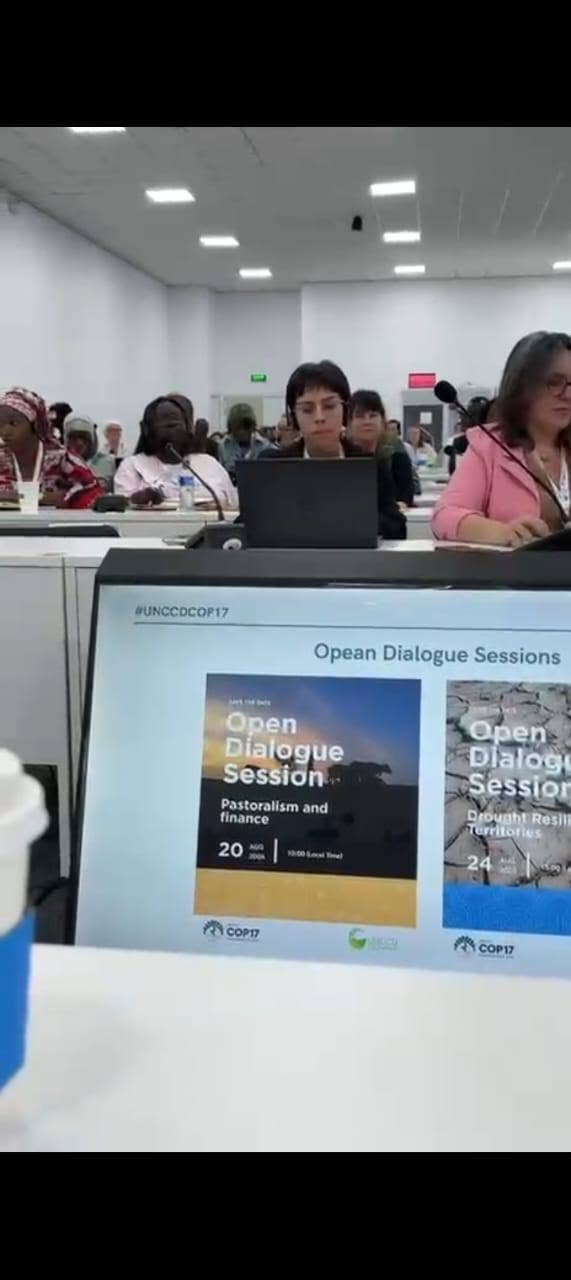
On the eve of the official opening of the 17th session of the Conference of the Parties to the United Nations Convention to Combat Desertification (UNCCD COP17), civil society organizations (CSOs) from around the world mobilized strongly this Sunday, August 16, in Ulaanbaatar.Gathered in Room MET03 at the COP17 venue, in the National Garden Park in Bayanzurkh District, civil society organizations from the five regions of the world held their preparatory meeting, commonly known as the CSO Pre-COP.The meeting provided an opportunity for participants to discuss the key issues on the conference agenda, compare analyses and develop common strategies aimed at formulating recommendations for the official negotiations.Through this mobilization, CSOs seek to amplify the voices of communities directly affected by land degradation, desertification and recurring droughts.For grassroots organizations, particularly in Africa, one of the major challenges remains access to sufficient funding to ensure inclusive and effective participation in major international meetings dedicated to land restoration.This issue is particularly important because the populations most vulnerable to land degradation are often represented by organizations with limited financial and institutional resources to participate in international negotiations.The CSO preparatory discussions are focusing in particular on several major themes: combating desertification and drought, sustainable water management, land restoration, and the transformation of food systems.Civil society also seeks to strengthen synergies among the various international environmental conventions. For participating organizations, the challenges posed by land degradation cannot be addressed in isolation. They require an integrated approach that takes into account the economic, social, environmental and climate realities of local territories.Beyond their symbolic presence in Ulaanbaatar, CSOs intend to use COP17 to produce analyses, advocate concrete proposals, participate in side events and, above all, bring the realities experienced by communities to the attention of decision-makers.The conference also provides an opportunity for organizations and experts to explore new avenues for collaboration, funding and networking around land restoration and community resilience.For African CSOs, the stakes are particularly high. Their participation should help highlight the paradox that the populations most exposed to land degradation are often those whose representatives have the fewest resources to participate in international decision-making spaces.The CSO Pre-COP therefore represents an initial test of the international community’s ability to ensure genuinely inclusive governance in the fight against desertification and drought.For civil society, participation should not be limited to being present in conference rooms. It should enable organizations to contribute to negotiations, raise community concerns, formulate recommendations and influence decisions on land restoration.In Ulaanbaatar, the mobilization of civil society organizations therefore reflects a clear determination: to be present where policies on land restoration, combating desertification and preventing drought are shaped.As COP17 opens on August 17 and runs through August 28, 2026, African civil society intends to make its voice heard and remind the international community that land restoration is not only an environmental imperative, but also a development challenge and a matter of inclusive governance. Babaclimat Journal Agropasteur